



Taiwan Wood-Fired “Burnished Earth” Teapot 160ml
- Ships from Las Vegas, Nevada, USA
- Free U.S. shipping on orders $95+
- Low stock - 1 item left
- Backordered, shipping soon
Taiwan Wood-Fired “Burnished Earth” Teapot (Approx. 160ml)
Dimensions: approximately 3" wide × 2.5" tall
Capacity: approximately 160ml
Handmade in Taiwan and wood-fired in 2019, this small teapot has a quiet character that comes almost entirely from clay and fire. There is no decorative painting and no glossy glaze covering the body. Instead, the surface carries subtle shades of deep brown, charcoal, bronze, and muted purple, created through the firing itself.
More importantly, this pot is unglazed, making it quite different to brew with than porcelain.
Why This Shape?
The pot has a compact, rounded body with a broad belly and gently narrowing shoulder. It is a particularly versatile shape because it gives the leaves room to open without creating an unnecessarily large brewing chamber.
The rounded interior works well for whole-leaf and loosely twisted teas, allowing water to circulate around the leaves instead of packing them into a narrow space.
At approximately 160ml, it sits in a useful middle ground: small enough for concentrated gongfu brewing, but spacious enough to let larger leaves expand comfortably.
The full body also helps retain heat more steadily than a thin porcelain gaiwan, while the relatively wide body gives you more control than an extremely tall, narrow pot.
Why Unglazed Clay?
This is where the pot becomes especially interesting.
Porcelain and glazed ceramics create a relatively neutral barrier between the tea and the vessel. With an unglazed teapot, the tea is in direct contact with the fired clay surface.
Depending on the clay's composition, porosity, and firing temperature, this can subtly change how a tea presents itself. Compared with porcelain, an unglazed pot may soften some sharper edges and emphasize body, texture, and roundness.
Because the interior is unglazed, I would also avoid constantly switching between strongly different tea categories. Over time, the pot can gradually take on traces of the teas brewed inside it.
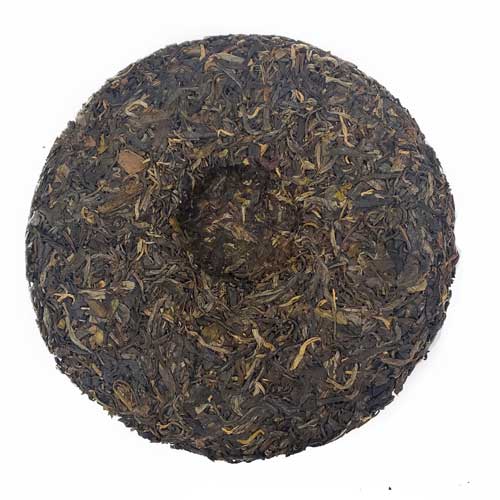
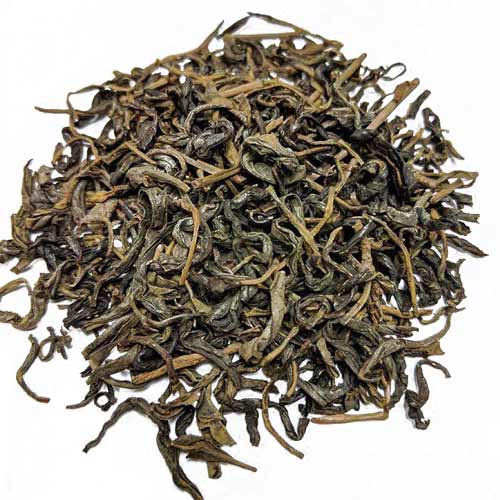
For this particular pot, I especially like sheng puerh and Chinese green tea, particularly teas where you want to soften a little sharpness while maintaining their fresh character.
Why Taiwanese Pottery?
Taiwanese teaware does not revolve around one famous clay deposit in the same way that Yixing does. Taiwanese studio potters work with different local and formulated clay bodies, experimenting with mineral composition, firing temperature, kiln atmosphere, and surface treatment.
This has helped create a pottery culture where the individual maker and firing method can be just as important as the name of the clay itself.
Taiwan's modern tea culture also brings together influences from traditional Chinese gongfu brewing and Japanese ceramic aesthetics, resulting in pots that tend to balance practical brewing with more natural, understated surfaces.
Why Wood-Fired?
In a wood kiln, the teapot is exposed to flame, ash, heat, and constantly changing kiln conditions over the course of the firing.
Wood ash travels through the kiln and lands on the clay, while differences in flame direction, oxygen, temperature, and mineral content create natural variations across the surface.
That is responsible for much of the pot's burnished brown, charcoal, bronze, and purplish coloration. These are not simply colors chosen from a glaze chart—the firing leaves its own marks on the clay.
Because the pot is unglazed, those effects feel especially direct. You can still see and feel the character of the clay beneath the firing.
A Pot That Changes With Use
An unglazed wood-fired teapot is not meant to remain completely unchanged.
With repeated brewing, handling, and drying, the surface can gradually develop a deeper, softer luster, particularly in areas frequently touched by the hands. This slow change is part of the appeal of using an unglazed teapot rather than keeping it purely as a display piece.
And because wood firing is inherently unpredictable, no two pots emerge from the kiln exactly alike. Variations in flashing, ash, texture, and coloration are part of the piece rather than imperfections.
Made in Taiwan in 2019, this is a small, practical brewing pot that has already spent years waiting for the next part of its story to come from tea.
All products shipped from Las Vegas, Nevada, USA.