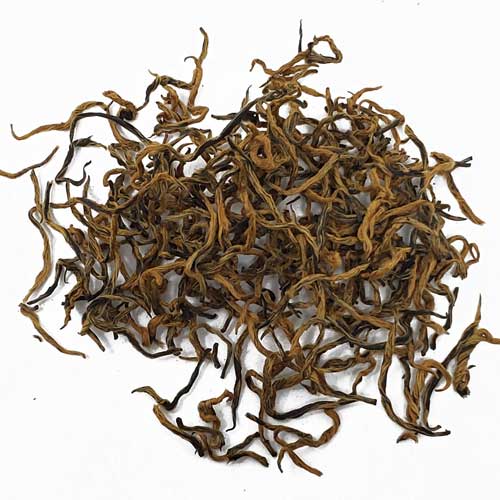
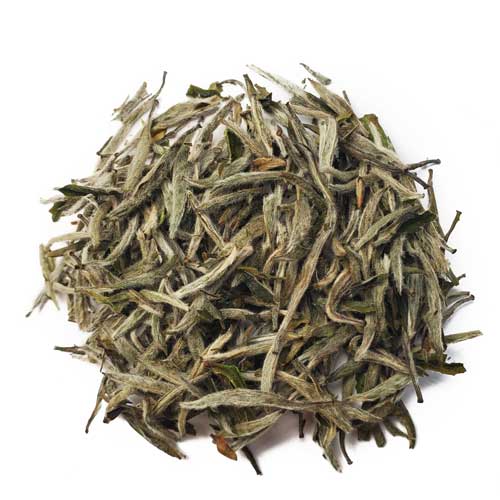
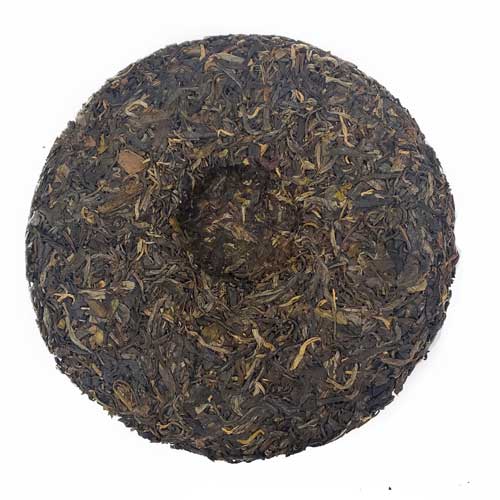
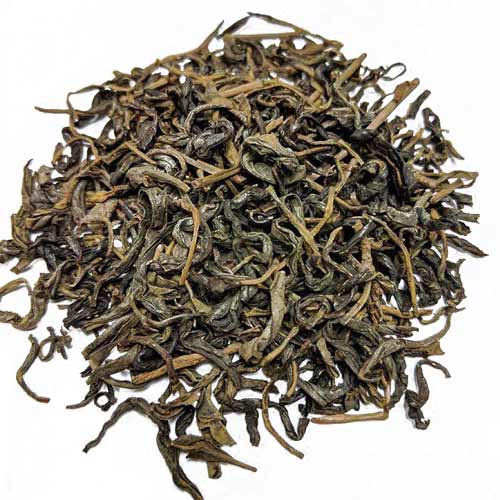
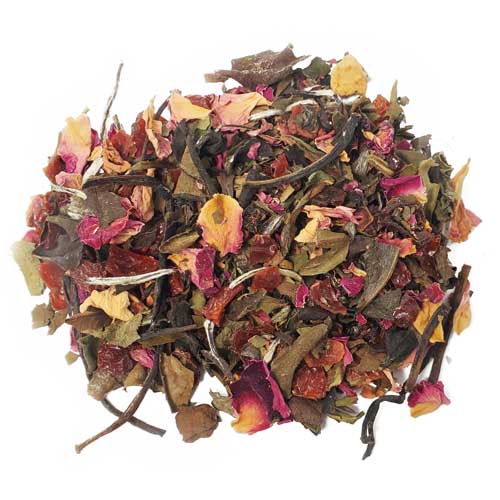


2012 Heirloom Cultivar Raw Liubao Heicha
- Ships from Las Vegas, Nevada, USA
- Free U.S. shipping on orders $95+
- In stock, ready to ship
- Backordered, shipping soon
2012 Heirloom Cultivar Raw Liubao Heicha
Unlike the dark, fully fermented Liubao that many tea drinkers know today, this tea was crafted using a traditional raw processing method that reflects an older style of Liubao production.
Rather than relying on accelerated pile fermentation to quickly develop aged characteristics, this tea is allowed to transform gradually through years of natural aging. Slow oxidation and naturally occurring microorganisms gently shape the tea over time, creating greater depth and complexity while preserving the original character of the leaves. If you're familiar with puerh, you can think of it as somewhat analogous to the relationship between raw (sheng) and ripe (shou) puerh—but with a character that is distinctly Liubao.
This tea comes from Liubao Town in Guangxi Province, the historic birthplace of Liubao tea. Surrounded by mist-covered mountains, abundant forests, mineral-rich soils, and a warm, humid climate, the region provides ideal conditions not only for cultivating exceptional tea, but also for the slow natural transformation that has defined traditionally aged Liubao for generations.
When Leo first began sourcing Liubao, he quickly realized that finding truly exceptional examples was far more difficult than expected. Wanting to understand why, he traveled to Liubao Town and spent time with local producers and longtime tea makers.
During his visit, he discovered that while Liubao Town gave the tea its name and remains the heart of Liubao culture, much of today's Liubao is made using leaves grown in the surrounding mountains and neighboring areas. Many of these teas are excellent, but they also explain why Liubao can vary so dramatically in flavor, quality, and aging potential. That experience inspired Leo to look beyond labels and seek out teas with a genuine connection to Liubao Town itself.
This tea is one of those discoveries. It is made from the Cangwu heirloom tea population (苍梧群体种), a traditional seed-grown tea population native to the Liubao region. Unlike many modern clonal cultivars selected for consistency and high yields, 群体种 (Qúntǐzhǒng) preserves the rich genetic diversity of older local tea plants that have adapted to the region over generations. Tea makers have long prized these heirloom tea populations for their individuality, broad aromatic range, and strong expression of terroir, producing teas with remarkable depth and character.
What makes this tea even more special is that it has remained in Liubao Town throughout its aging journey. Rather than being moved elsewhere after production, it has spent more than a decade maturing in the region where it was made. Liubao Town's naturally warm, humid climate has long been valued by producers for gently encouraging the slow transformation of traditionally aged Liubao, allowing the tea to gradually soften, deepen, and develop remarkable complexity over time.
After more than a decade of natural aging, this tea has developed a beautifully balanced character that is both lively and deeply satisfying. The first sip introduces a gentle, pleasant bitterness that quickly gives way to the comforting sweetness of dried jujube. Rather than competing with one another, the light bitterness and returning sweetness create a remarkably refreshing harmony that keeps you reaching for the next cup.
The liquor has a medium body with a smooth, rounded texture that coats the palate without feeling heavy. As the session progresses, the dried jujube sweetness becomes more pronounced, accompanied by subtle notes reminiscent of chrysanthemum stem that add a clean, cooling herbal freshness. The finish leaves the mouth feeling remarkably refreshed, inviting another sip.
One of this tea's most memorable qualities is its exceptionally long-lasting huigan (returning sweetness). The sweetness continues to build from the throat long after each sip, while a refreshing sensation lingers across the palate. The tea also delivers a steady, uplifting chaqi (tea energy) that can be felt for 10–15 minutes, making each session feel both calming and revitalizing.
For us, it often feels as though warmth gradually radiates from within the body, creating a comforting sensation that spreads through the chest and back. It's not uncommon to notice a light warmth around the neck and the back of the head, sometimes accompanied by a gentle, tingling perspiration that leaves the body feeling relaxed, refreshed, and remarkably clear.
Its bright, refreshing profile makes this an easy tea to enjoy at any time of day. We especially enjoy it after rich or oily meals, where its clean finish and lingering sweetness leave the palate feeling refreshed and balanced.
Compared to modern fermented Liubao, this traditional raw version feels brighter, more transparent, and allows the character of the leaf itself to shine through. Rather than developing its mature profile primarily during processing, this tea has been shaped slowly through more than a decade of patient natural aging.
Like raw puerh, this tea will continue to evolve with proper storage. As the years pass, the texture becomes even smoother, sweetness deepens, fruit notes become richer, woody aromas continue to emerge, and new layers of complexity reveal themselves. Instead of creating those aged characteristics during production, traditional raw Liubao allows time—and the unique aging environment of Liubao Town—to do the work.
How to Brew (Gongfu Style)
Use 5g of tea leaves in a 90–100ml gaiwan with 205°F (96°C) water.
-
Give the tea leaves a quick rinse before brewing.
-
Steep the first infusion for 8–10 seconds.
-
Brew the following infusions for 5–8 seconds, adjusting gradually to your taste.
-
After the tenth infusion, slowly increase the steeping time as the tea begins to soften.
Unlike modern fermented Liubao, this traditional raw version is more sensitive to overbrewing. Longer steeps can introduce noticeable bitterness, so we recommend keeping the infusions short and increasing the steeping time gradually throughout the session.
With careful brewing, this tea will comfortably produce 15–20 infusions, with new layers of sweetness and aroma revealing themselves as the session unfolds.
Origin: Liubao Town, Guangxi Province, China
Cultivar: Cangwu Heirloom Tea (苍梧群体种)
Processing: Traditional Raw Liubao (生六堡)
Harvest: Spring 2012
Notes: Dried Jujube • Camphor • Chinese Medicinal Herbs • Aged Cedar • Light Rock Sugar Sweetness
All products shipped from Las Vegas, Nevada, USA.