



Taiwan Wood-Fired “Ember Tide” Teapot 210ml
- Ships from Las Vegas, Nevada, USA
- Free U.S. shipping on orders $95+
- In stock, ready to ship
- Backordered, shipping soon
Taiwan Wood-Fired “Ember Tide” Teapot (Approx. 210ml)
Capacity: approximately 210ml
This handmade Taiwanese teapot has a completely different character from refined porcelain or traditional Chinese Yixing ware. Its beauty comes from clay, fire, ash, and the unpredictability of the kiln.
The surface moves from deep charcoal and earthy bronze into smoky blue-gray and pale ash tones. Rather than being painted on, much of this variation develops during firing, giving every pot a surface that cannot be reproduced exactly.
Why This Shape?
This teapot has a full, rounded body with a relatively tall and spacious interior. At approximately 210ml, it provides considerably more room for tea leaves than a small gongfu pot.
That makes the shape particularly useful for teas with large, twisted, or heavily expanding leaves. Taiwanese oolong, Wuyi yancha, Dancong, aged white tea, black tea, and puerh can all take advantage of the generous brewing chamber.
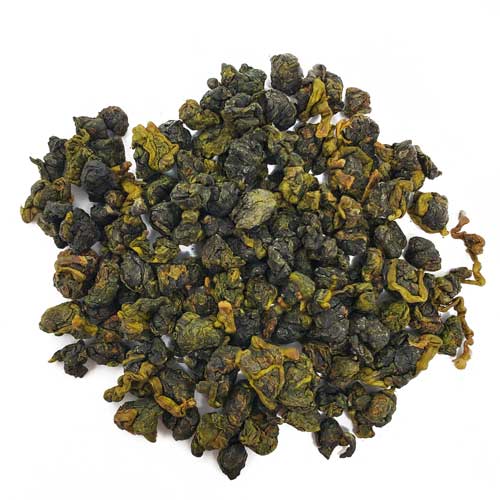
The rounded walls give expanding leaves room in multiple directions rather than forcing them into the corners of a narrow vessel. This is particularly noticeable with tightly rolled Taiwanese oolongs, which can become several times larger after they fully open.
The combination of a full body and relatively small opening also helps reduce heat loss compared with a very wide, shallow vessel. That makes it particularly attractive for teas that benefit from sustained heat, such as high-mountain oolong, roasted oolong, aged tea, and puerh.
The 210ml capacity is also a good choice when brewing for two to four people, or when you simply prefer a more relaxed gongfu session with a little more tea in each infusion.
Why Taiwanese Pottery?
Taiwan developed a distinctive modern teaware culture influenced by both Chinese tea traditions and Japanese ceramic aesthetics, while Taiwanese potters developed their own approaches to local clay, glazing, firing, and form.
Unlike Yixing, where famous clay categories such as zini and zhuni are tied to particular geological deposits and established traditions, Taiwanese pottery should not be treated as one single type of clay. Potters work with different local and formulated clay bodies, each with its own mineral composition, texture, density, and firing behavior.
That diversity is part of what makes Taiwanese studio pottery interesting. Instead of choosing the pot simply because it belongs to a famous clay category, you can appreciate it as the work of an individual potter—the combination of their clay, their form, their kiln, and their firing decisions.
Why Wood-Fired?
Wood firing is very different from simply putting a ceramic piece into a modern electric kiln.
As wood burns, flame, heat, ash, and gases continuously move through the kiln. Fine wood ash can land on the surface of the teapot, while minerals in the clay and glaze react differently depending on temperature, oxygen, flame direction, and where the piece sits inside the kiln.
At sufficiently high temperatures, deposited ash can partially melt and interact with the surface, producing colors and textures that are difficult to reproduce through conventional glazing alone.
That is why this pot shifts between charcoal, bronze, olive, smoky blue, and ash-gray. Even two pots made from the same clay and fired in the same kiln can emerge noticeably different.
The fire is essentially participating in the final design.
How Does It Compare With Porcelain?
Porcelain is the better choice when your priority is neutrality and clarity. A glazed porcelain pot contributes very little to the flavor of the tea.
A high-fired stoneware or clay pot like this has a different purpose. Depending on the clay body, glaze, firing temperature, and interior surface, it can interact somewhat differently with heat and tea than thin porcelain does. Its heavier walls and substantial body can also hold heat more steadily, which is useful for teas that respond well to hotter, more sustained brewing.
For that reason, I particularly like this style of pot for Taiwanese oolong, Wuyi oolong, Dancong, black tea, aged white tea, and puerh rather than extremely delicate green teas where rapid cooling can sometimes be preferable.
One Pot, One Firing
The irregular surface is intentional. Areas of heavier ash, flashing, darker reduction, and changes in texture are all records of what happened inside the kiln.
No two wood-fired teapots will come out exactly alike. Even when the same potter repeats the same form, the path of the flame and ash through the kiln ensures that every firing leaves a different mark.
That unpredictability is one of the reasons wood-fired Taiwanese pottery is so compelling: the potter creates the form, but the kiln gets the final say.
All products shipped from Las Vegas, Nevada, USA.