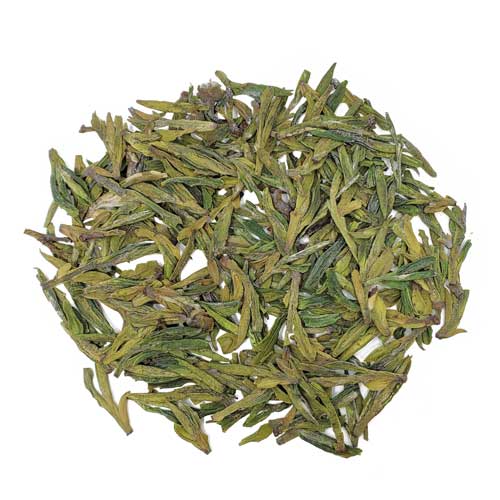
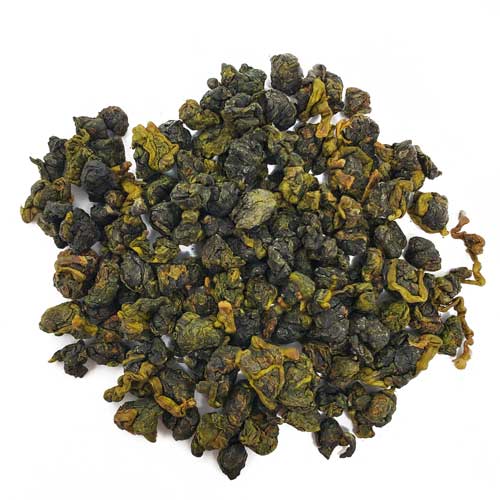
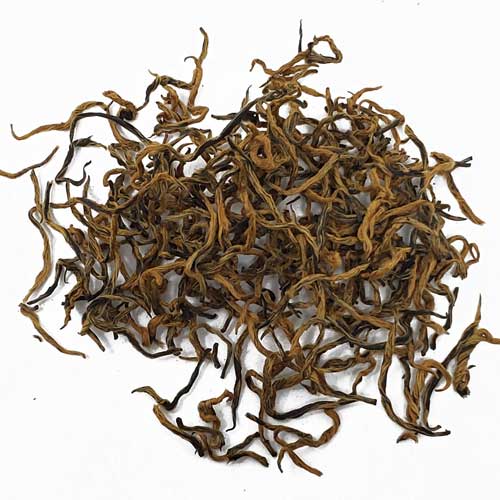
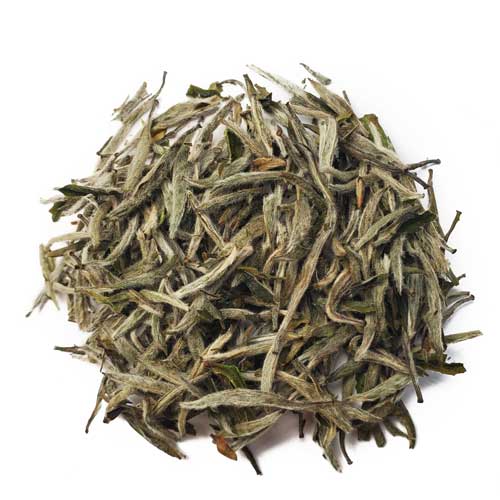
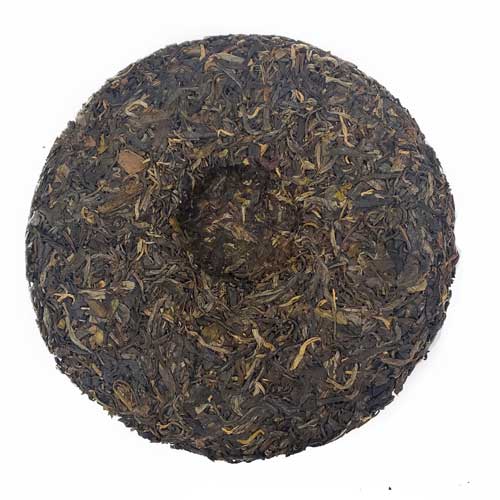
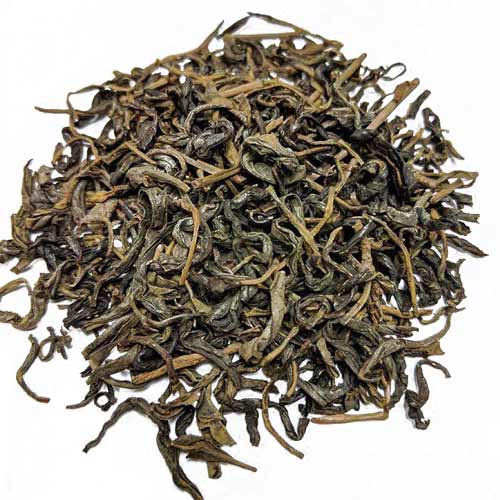


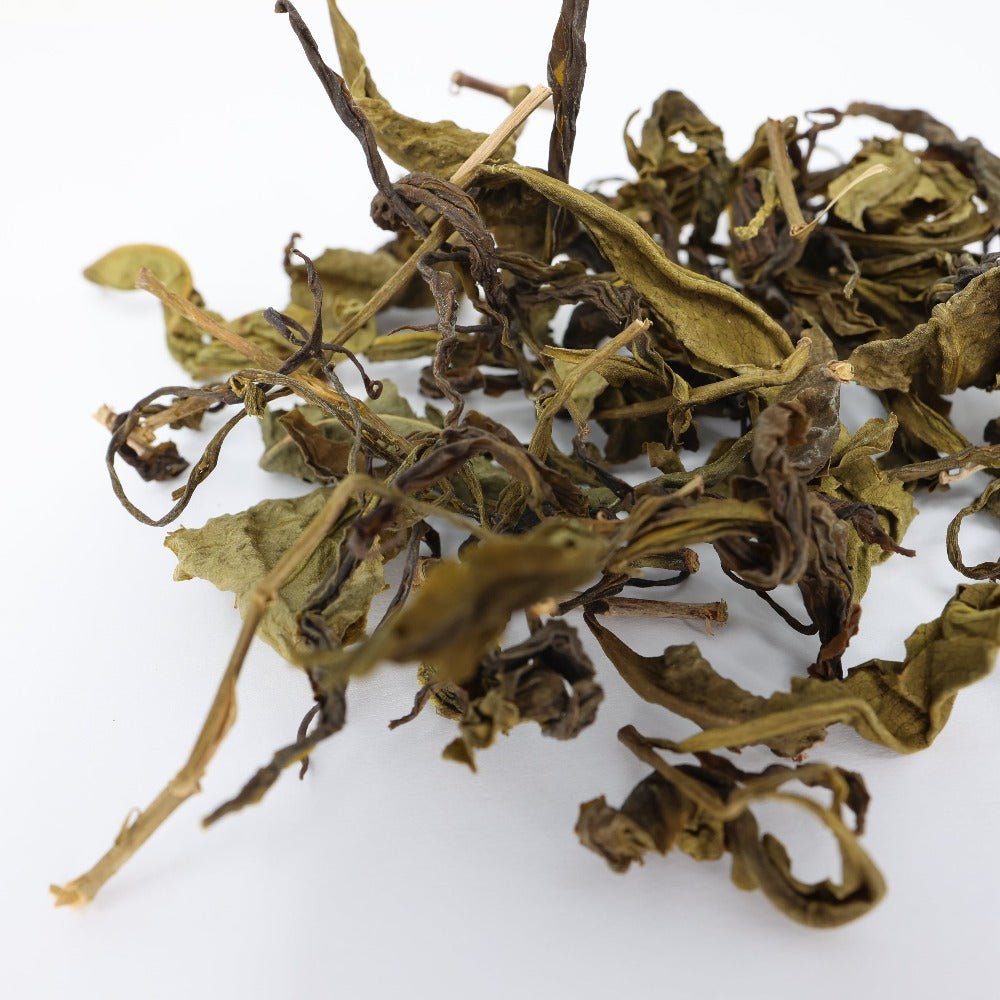
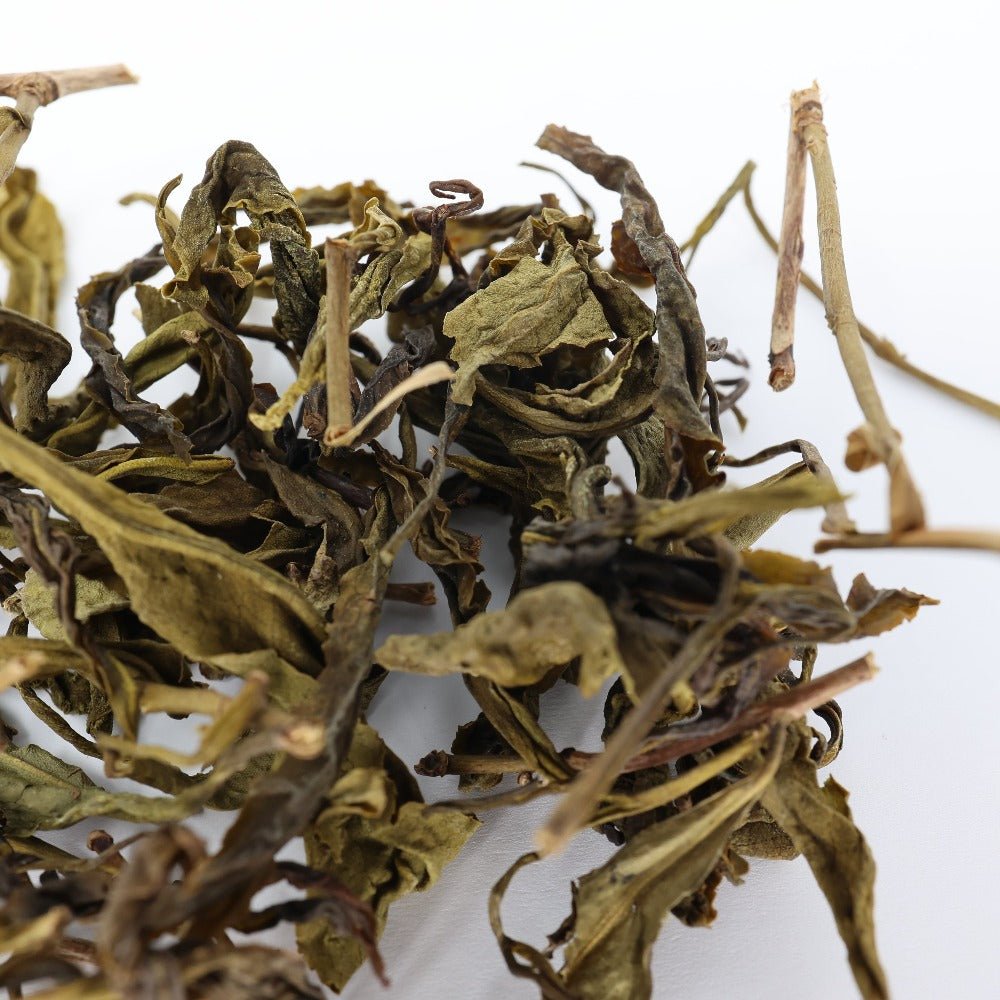
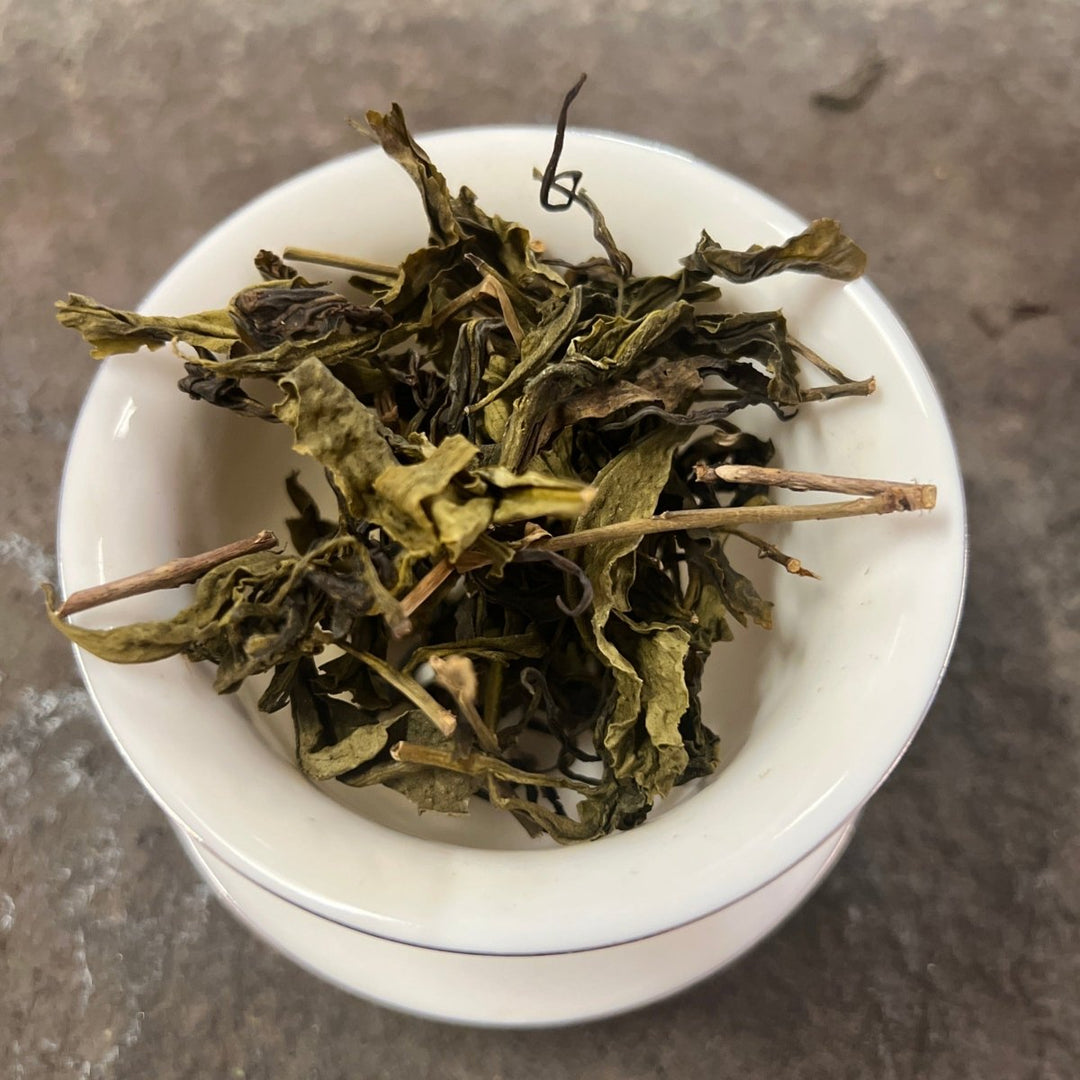
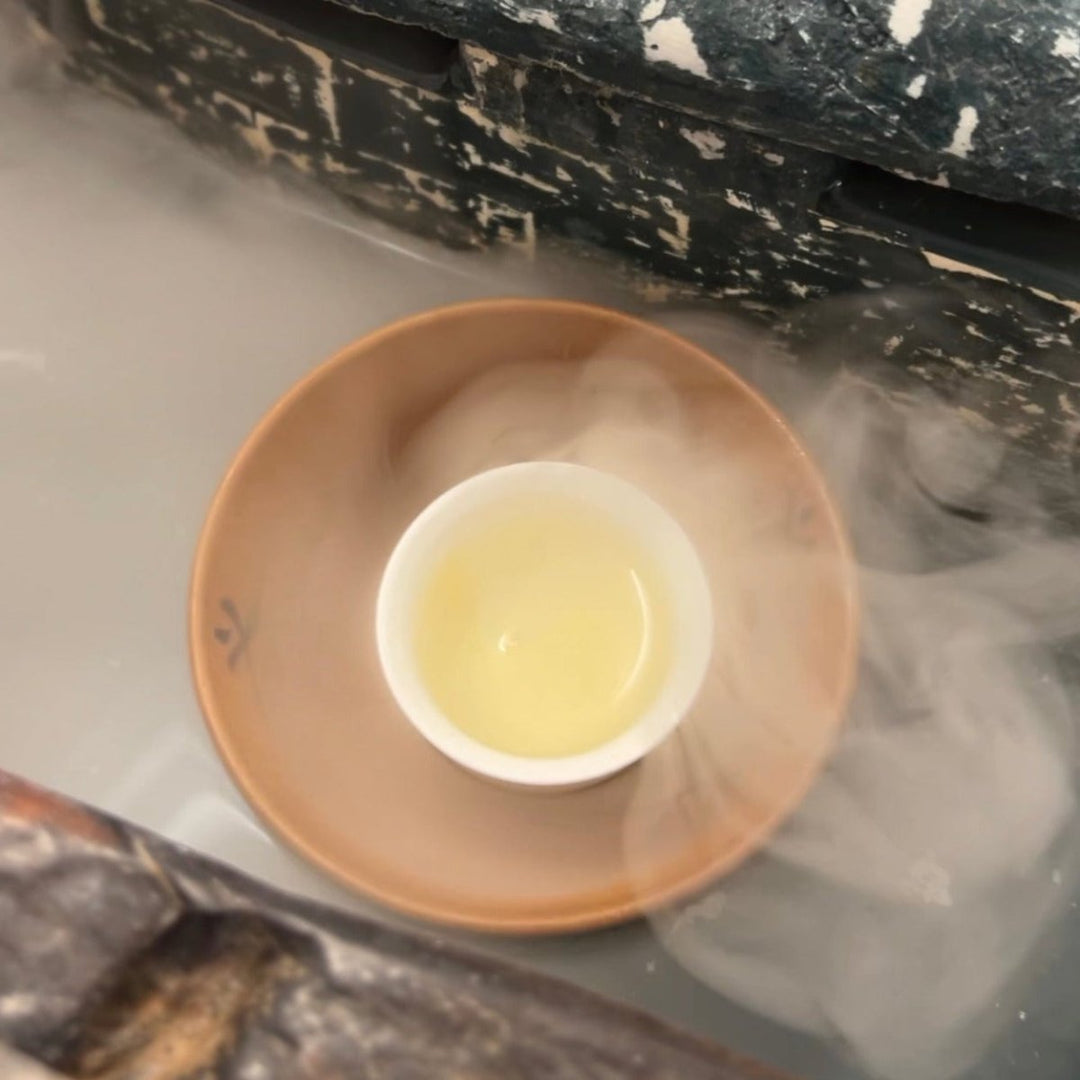


Master Huang Handpicked Yellow Tea
- Ships from Las Vegas, Nevada, USA
- Free U.S. shipping on orders $95+
- In stock, ready to ship
- Backordered, shipping soon
Yellow tea is already one of the least-produced tea categories in the world. Finding one made in Taiwan is even more unusual.
This tea comes from Yilan, Taiwan, and was produced by Master Huang, a farmer who approaches tea almost like a researcher. He is constantly experimenting with processing variables, comparing results with other producers, and questioning established techniques. Farmers regularly visit him to exchange ideas and learn from his experiments.
That curiosity is what makes his teas so interesting. They are not simply examples of a category—they often challenge your understanding of what that category can taste like.
And this yellow tea may be one of his most fascinating experiments.
A Tea That Feels Like Several Teas at Once
What makes Master Huang’s yellow tea so memorable is how difficult it is to place into a single category.
It has the sweetness of high mountain oolong, the delicate texture of white tea, the depth and richness of young raw puerh, the refreshing aroma of green tea, and an almost jasmine-like freshness that lifts from the cup.
And yet, it doesn’t taste like a blend of those teas. It is entirely its own thing.
This is the kind of tea that can change your perspective on what tea is capable of becoming—experimental, rare, and unmistakably Master Huang.
What Exactly Is Yellow Tea?
Yellow tea is traditionally considered one of the six major categories of Chinese tea, alongside green, white, oolong, black, and dark tea.
From a processing perspective, yellow tea begins very similarly to green tea. The freshly harvested leaves are heated relatively early in production to reduce the activity of oxidative enzymes. This heating step is often called kill-green, or shāqīng (杀青).
But yellow tea adds another unusual step:
闷黄 — mèn huáng, or “sealed yellowing.”
After heating, the leaves are kept warm and slightly humid, traditionally by wrapping or covering them with cloth or paper.
This seemingly simple step changes the tea dramatically.
What Happens During “Yellowing”?
One common misconception is that yellow tea is simply a slightly oxidized green tea.
It is more complicated than that.
Because the leaves have already been heated, the enzymatic oxidation associated with oolong or black tea has been greatly reduced. During the yellowing stage, however, the combination of heat, moisture, and time continues to transform the leaf through a variety of non-enzymatic chemical reactions.
The grassy, sharp character associated with some green teas becomes softer. Aromatics shift. Bitterness and astringency can become more integrated, while the texture becomes rounder and more substantial.
The result often sits in an unusual sensory space:
less grassy than green tea, but not oxidized like an oolong.
That distinction is part of what makes yellow tea so difficult to explain—and so fascinating to drink.
Why Is Yellow Tea So Rare?
Yellow tea is notoriously difficult to produce consistently.
The yellowing stage requires careful control of several variables:
-
moisture inside the leaf
-
temperature
-
humidity
-
thickness of the leaf pile
-
wrapping material
-
duration of yellowing
-
how often the leaves are opened, moved, or rested
Small adjustments can significantly change the finished tea.
Too little yellowing and the tea may retain too much of its green, vegetal character.
Too much heat or moisture can flatten the aroma or push the tea in a heavier, duller direction.
The producer is essentially balancing freshness against transformation.
That extra processing step requires time, experience, and experimentation, which is one reason yellow tea remains the least commonly produced of the major tea categories.
And Then There Is Taiwanese Yellow Tea
Yellow tea has a long history in China, including famous teas that were historically associated with imperial tribute.
Taiwan, however, is much better known for its extraordinary tradition of oolong production.
So when a Taiwanese producer decides to make yellow tea, things become especially interesting.
Rather than simply copying a traditional mainland Chinese yellow tea, Master Huang is applying the instincts and techniques of a Taiwanese tea maker to a completely different processing philosophy.
You can feel that crossover in the cup.
One Tea, Several Familiar References
This tea is difficult to describe using only one tea category.
At different points in the session, it can remind us of several completely different styles.
There is the soft sweetness and lingering finish of high mountain oolong.
The delicate, almost silky texture of white tea.
A deeper structure that can occasionally recall young raw puerh.
The lifted freshness associated with green tea.
And an aromatic quality that can feel surprisingly jasmine-like, despite no jasmine flowers ever touching the tea.
Those comparisons are useful reference points, but none of them completely describes the tea.
That is exactly what makes it interesting.
Master Huang's yellow tea sits somewhere between familiar categories while still maintaining its own identity.
It is a tea that makes you reconsider how much of a tea's flavor comes from the plant itself—and how much can be created through processing.
Brewing: Think Like an Experiment
This is a particularly fun tea to brew comparatively.
Instead of looking for one “correct” recipe, try changing one variable at a time and watching how the tea responds.
Gongfu Brewing
Tea: 5–6 g
Water: 100 ml
Temperature: 185–195°F / 85–90°C
First infusion: rinse the tea, then brew for approximately 20–30 seconds
Gradually increase the steeping time with each infusion.
At lower temperatures, expect more emphasis on:
-
floral aromatics
-
sweetness
-
freshness
-
softer texture
With hotter water or longer infusions, you may notice more:
-
body
-
depth
-
mineral character
-
bitterness
-
lingering aftertaste
One interesting experiment is to brew the same leaves first at 185°F / 85°C, then increase the water temperature later in the session. The progression can reveal different layers of the processing.
Western Brewing
Tea: 3–4 g
Water: 250 ml / 8 oz
Temperature: 185–195°F / 85–90°C
Time: approximately 2–3 minutes
Re-steep several times, gradually increasing the brewing time.
For a sweeter, more delicate expression, stay toward the lower end of the temperature range.
For more structure and intensity, move closer to 195°F / 90°C.
A Nerdy Brewing Experiment
If you really want to understand this tea, divide the leaves into two identical portions.
Brew one at:
185°F / 85°C
and the other at:
200°F / 93°C
Keep the leaf ratio, vessel, water, and steeping time identical.
Taste them side by side.
The cooler brew will usually emphasize aroma, sweetness, and delicacy, while the hotter brew extracts more structure and exposes more of the tea's bitterness, body, and processing character.
Neither version is necessarily better.
The interesting question is:
Which version teaches you more about the tea?
That is probably the best way to approach Master Huang's teas in general.
They are not simply teas to drink.
They are teas to investigate.
All products shipped from Las Vegas, Nevada, USA.