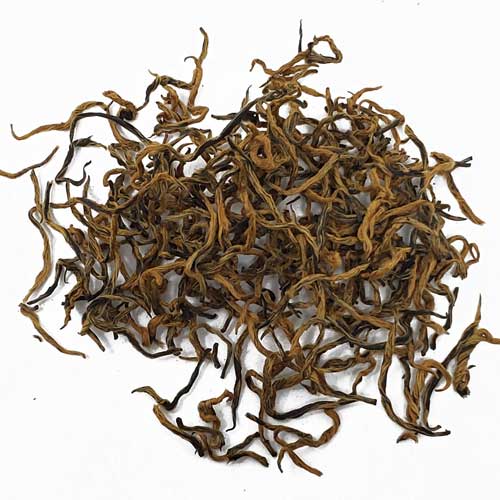
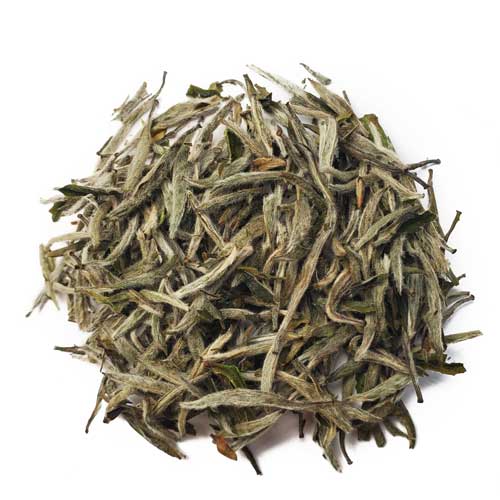
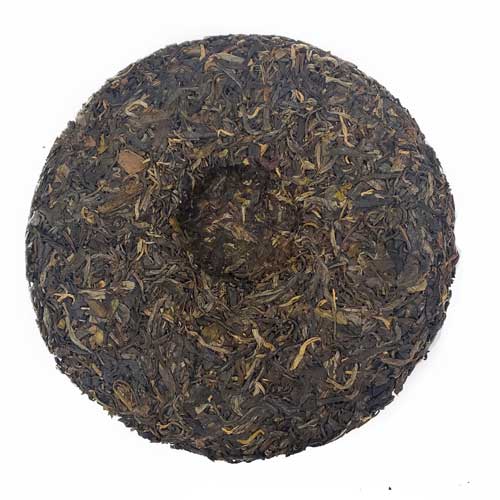
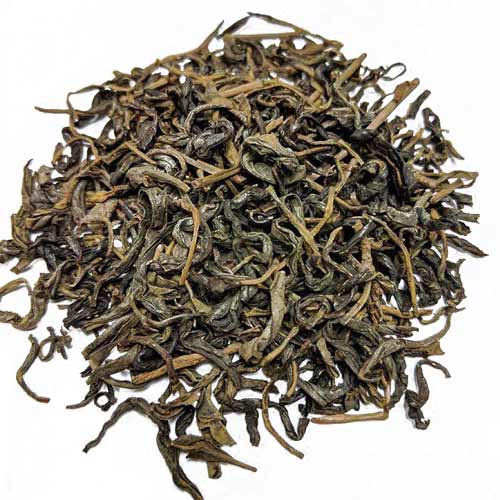


2026 Hexinqu Ancient Tree Jingmai Sheng Puerh
- Ships from Las Vegas, Nevada, USA
- Free U.S. shipping on orders $95+
- In stock, ready to ship
This spring 2026 ancient-tree raw Puerh comes from Hexinqu (核心区), the core area of Jingmai Mountain in Yunnan. We chose it after visiting and tasting with the same farmer over several years. For us, it is one of the best examples of Jingmai sheng we've found.
|
Leo's Story: My Last Stop in Jingmai In 2024, I spent days tasting raw Puerh from different farmers around Jingmai. By the end of the trip, I was disappointed. Nothing had really impressed me, and I was about to head back to Xishuangbanna. Then I visited Ana. She was my last stop, and I struck gold.
At Ana's tea garden in Jingmai, Yunnan. I went back in 2025 and tried even more teas from other farmers. Hers was still my favorite. Her 2026 harvest is some of the best Jingmai sheng I've tasted in recent years. The closest comparison I can think of is a tea from 2018. I think this one could age just as well, maybe even better. If someone wants to know what a really good Jingmai sheng tastes like, this is the tea I'd show them. Leo Lukidi |

Why Hexinqu Matters
Hexinqu (核心区) means “core area.” Jingmai is known for its old tea forests, where tea trees grow among other forest trees rather than in open rows. But not every tea from Jingmai tastes the same. The garden, the farmer, and the way the leaves are processed all matter. That's why we taste teas from different producers instead of choosing one based on the mountain's name alone.
What It Tastes Like
The texture is smooth, with just a hint of lychee and wildflower honey. The part that stands out is the long, powerful finish. It stays with you well after each sip. These leaves also last: with 6 g in a 100 ml gaiwan, you can get more than 20 infusions.
Tea Details
Origin: Hexinqu (核心区), Jingmai Mountain, Yunnan, China
Tea type: Ancient Tree Sheng (Raw) Puerh
Harvest: Spring 2026
Producer: Ana
Leaf type: Jingmai medium-to-small leaf (中小叶种), according to Ana
Botanical species: Camellia sinensis
Brewing Suggestions
Gongfu style: Use 6 g in a 100 ml gaiwan with 205–212°F (96–100°C) water. First, give the leaves one very quick rinse: pour in hot water and immediately discard it (about 1–3 seconds). This gently wakes up the leaves. Then begin drinking with quick 5–10 second infusions, gradually increasing the time. This tea can give more than 20 infusions.
Western style: Use 3 g per 8 oz (240 ml) of water at 195–205°F (90–96°C). Steep 2–3 minutes, and increase the time for later infusions.
Grandpa style (bowl brewing): Use about 2 g in a 250–300 ml bowl or glass, with 185–195°F (85–90°C) water. Let the leaves settle, sip when cool enough, and top up with hot water as you drink.
All products shipped from Las Vegas, Nevada, USA.