

Jingdezhen Teapots
JINGDEZHEN — 景德镇瓷
Some of China's finest porcelain teaware comes from Jingdezhen (景德镇).
Located in Jiangxi Province, Jingdezhen belongs to a different ceramic tradition from Yixing, Jianshui, and Nixing. It is not one of China's Four Famous Potteries. Instead, Jingdezhen became famous as China's great center of porcelain production, earning its enduring reputation as the “Porcelain Capital” (瓷都).
Archaeological evidence cited by China's National Intangible Cultural Heritage authorities shows porcelain production in Jingdezhen by the Five Dynasties period. Production developed rapidly during the Song and Yuan dynasties, and during the Ming and Qing dynasties imperial kilns were established at Zhushan, helping transform Jingdezhen into China's dominant porcelain-production center. Jingdezhen handmade porcelain-making was included in China's first National Intangible Cultural Heritage list in 2006.
And its history is still being recognized today.
In July 2026, the “Jingdezhen Handicraft Porcelain Industry Heritage Sites” were inscribed on UNESCO's World Heritage List, becoming the world's first World Heritage property centered on the complete historical production system of porcelain.
What makes Jingdezhen porcelain special begins with its raw materials.
Early Jingdezhen porcelain relied heavily on porcelain stone (瓷石). By the Yuan Dynasty, Jingdezhen potters were using the famous “two-component formula” (二元配方), combining porcelain stone with kaolin-type clay. The addition of kaolin increased the body's ability to withstand high-temperature firing and helped create stronger, harder porcelain while allowing increasingly sophisticated forms.
This development became so influential that the international word “kaolin” ultimately derives from Gaoling (高岭), a place near Jingdezhen associated with the historic mining of this porcelain clay. Chinese historical records note that the name eventually became an internationally used mineralogical term.
Unlike Yixing or Jianshui, Jingdezhen teaware is porcelain rather than unglazed pottery.
When properly fired, the porcelain body becomes highly vitrified and extremely low in water absorption, while the functional surface is normally covered with glaze. Historical Jingdezhen records describe porcelain bodies capable of becoming dense and non-absorbent under high-temperature firing.
That gives Jingdezhen a completely different relationship with tea.
Porcelain is prized for neutrality. Rather than intentionally interacting with the tea or developing the same kind of seasoning associated with an unglazed clay pot, glazed porcelain provides a clean brewing surface that allows the tea's aroma, flavor, and color to remain easy to evaluate.
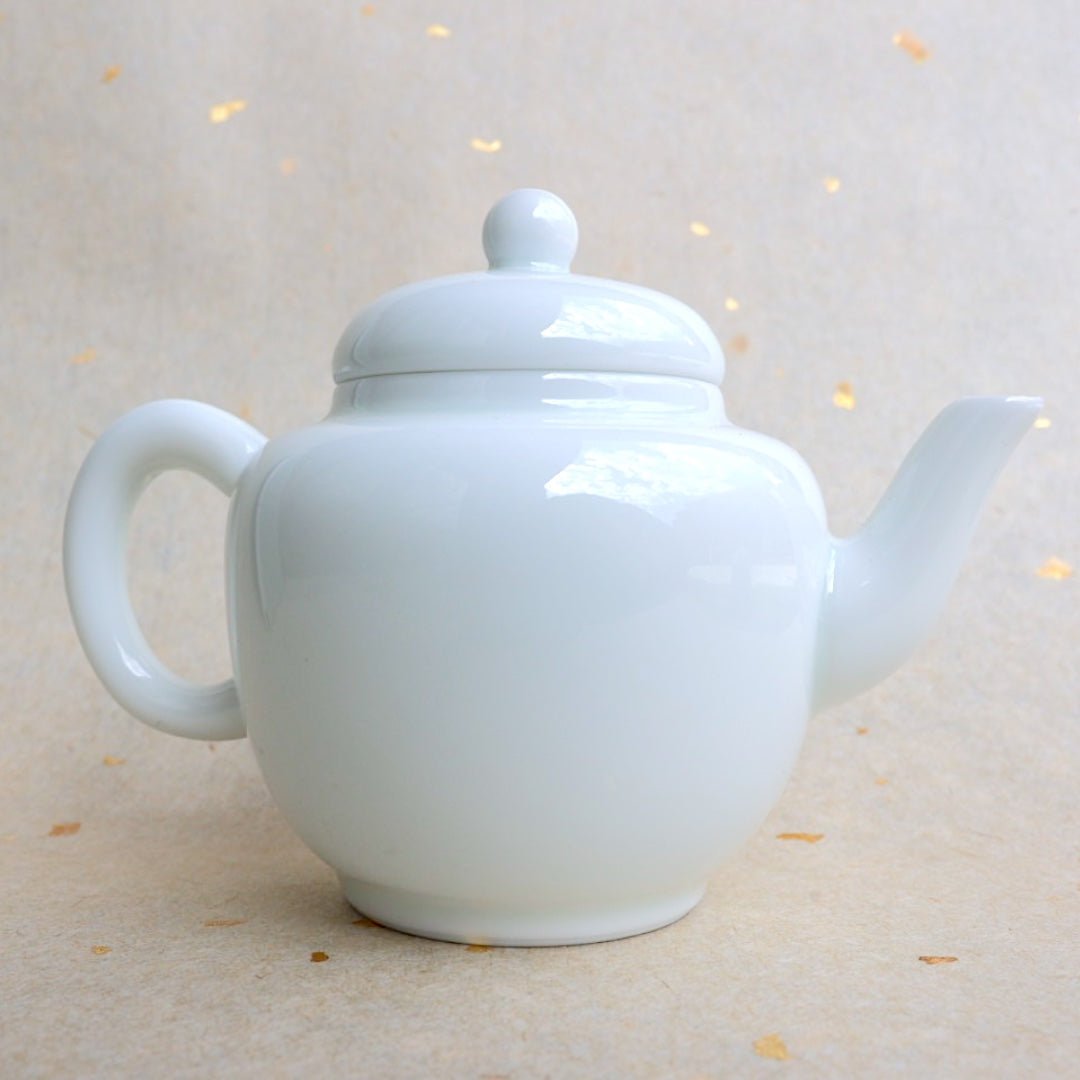
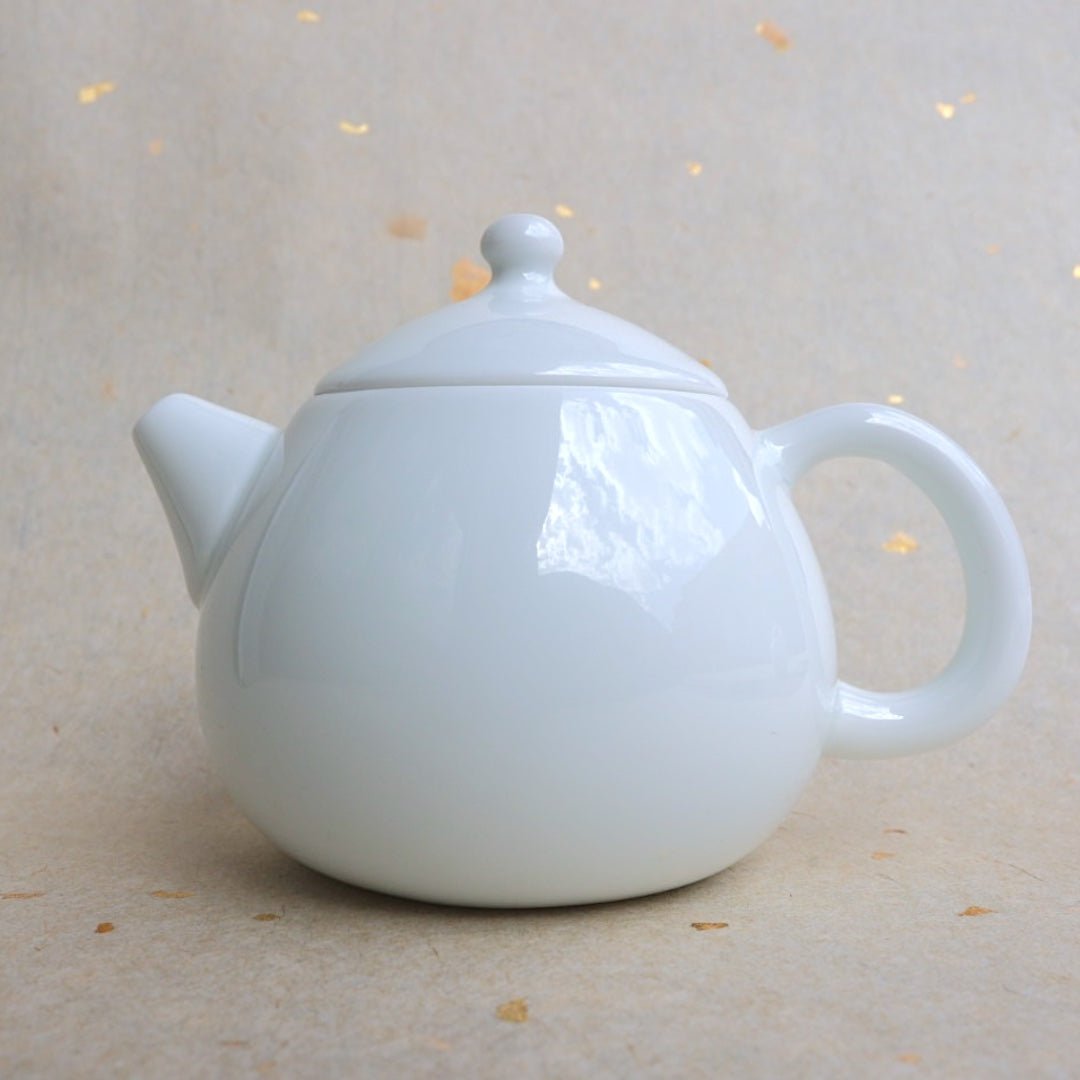
This is one reason white porcelain gaiwans and teapots are among the most versatile pieces of tea equipment you can own.
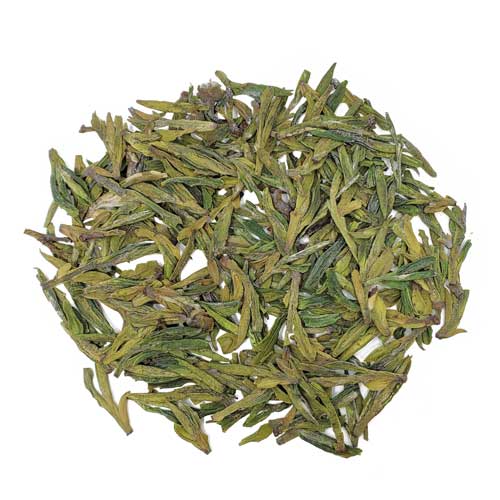
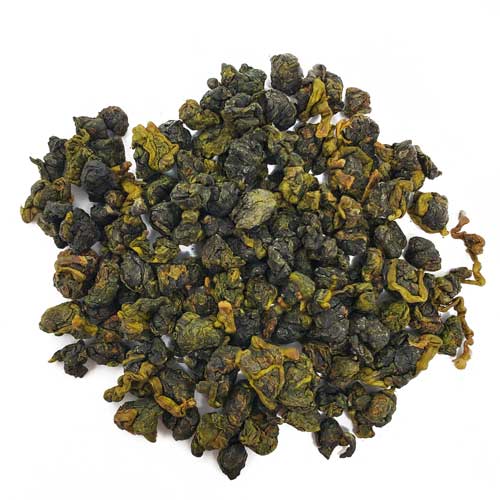
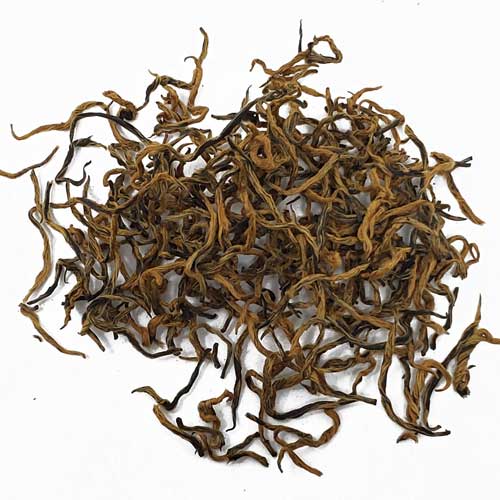
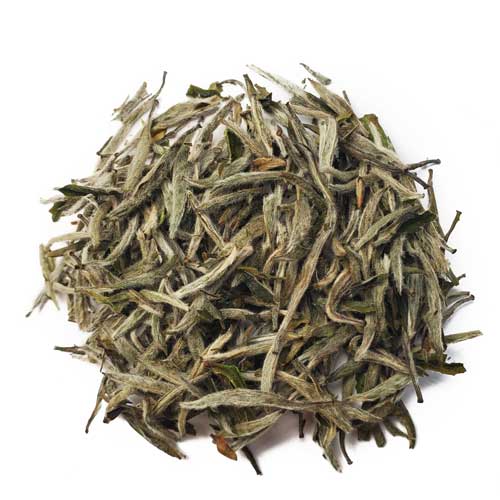
They are especially useful for green tea, white tea, lightly oxidized oolong, high-mountain oolong, fragrant Dancong, black tea, young Sheng Puerh, and comparative tea tasting, where preserving aroma and seeing the true color of the liquor can be particularly valuable.
Unlike an unglazed Yixing or Jianshui pot, a glazed Jingdezhen vessel does not need to be dedicated to one tea type in the same way. After proper cleaning, the same porcelain gaiwan can move from a delicate green tea to an aged Puerh without intentionally carrying the character of the previous tea forward.
This makes Jingdezhen almost the philosophical opposite of Yixing.
Yixing is prized partly because the vessel can develop a relationship with the tea. Jingdezhen porcelain is prized because the vessel can step out of the way and let the tea speak for itself.