

Jianshui Teapots
JIANSHUI — 建水紫陶
Some of China's most distinctive polished teapots come from Jianshui (建水紫陶).
Handcrafted in Jianshui County, Yunnan Province, Jianshui Purple Pottery is another of China's Four Famous Pottery Traditions. The region itself has an extremely long ceramic history, with archaeological evidence of pottery-making stretching far earlier, but the specific tradition recognized today as Jianshui Zitao emerged during the Qing Dynasty's Daoguang period and became increasingly mature by the Guangxu period. In 2008, Jianshui Zitao firing techniques were included in China's National Intangible Cultural Heritage list.
This distinction is important: saying “Jianshui pottery is thousands of years old” and saying “Jianshui Purple Pottery is thousands of years old” are not quite the same thing. The region's pottery history is ancient, while the recognizable modern Zitao tradition is primarily a Qing Dynasty development.
What makes Jianshui pottery special begins with its remarkably fine local clay.
Official standards define Jianshui Zitao as pottery produced from natural five-colored clays found within Jianshui. Local regulations describe these clays as purple, white, blue-green, yellow, and wuhua or variegated clay. Government sources also note the relatively high iron content of the material, contributing to the strength and distinctive appearance of the finished pottery.
The traditional process involves numerous stages including clay preparation and levigation, wheel throwing, decorating the damp body, carving, filling those carvings with contrasting colored clay, high-temperature firing, and finally polishing the pottery without glaze. Two techniques are particularly characteristic of Jianshui: colored-clay carving and filling (彩泥刻填) and unglazed polishing (无釉磨光).
The polishing process can transform the fired clay into a surface that appears almost stone- or jade-like, despite there being no glaze covering the pottery. This combination of dense clay, high-temperature firing, and extensive polishing gives Jianshui a very different tactile character from most Yixing pots. Local sources traditionally describe fine Jianshui pottery as having qualities associated with iron, water, jade, and the ringing sound of stone or metal when tapped.
Jianshui also has an unusually strong connection with Chinese calligraphy and painting.
Artists traditionally write or paint directly onto the damp clay surface. The potter then carefully carves those lines away and fills them with differently colored clay before firing and polishing. The result is not simply decoration sitting on top of the surface—the artwork becomes physically embedded into the body of the vessel.
This is why Jianshui is sometimes described in Chinese writing as “using pottery in place of paper.” Its tea ware can function simultaneously as brewing equipment, calligraphy, painting, carving, and ceramic art.
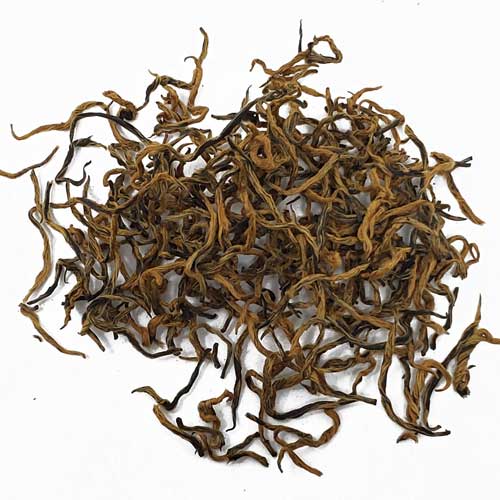
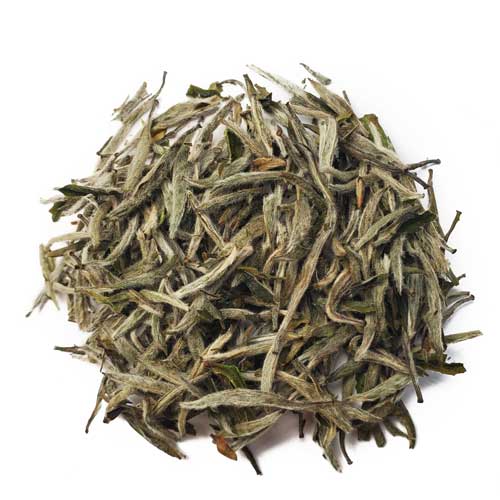
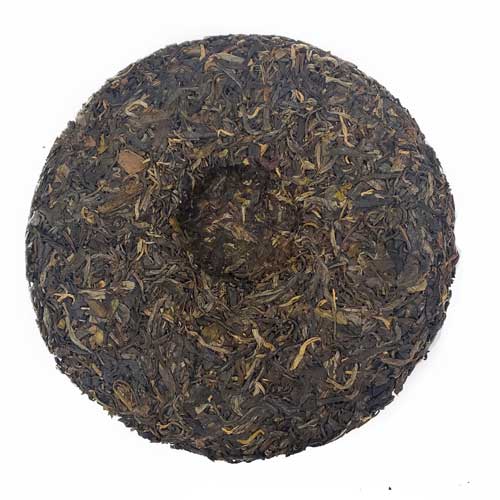
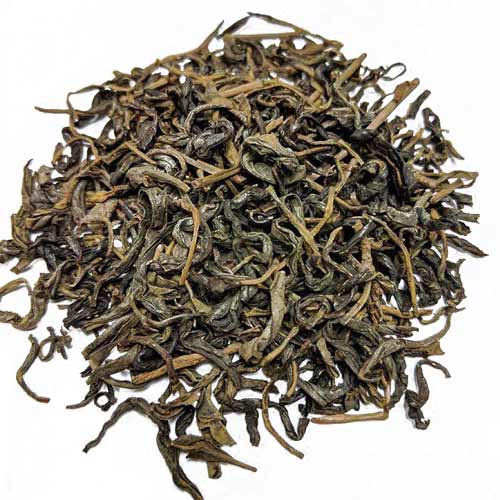
For tea, Jianshui is especially popular with Puerh, Yunnan black tea, roasted oolong, aged tea, and Heicha. In practice, many tea drinkers choose it when they want the warmth and tactile qualities of unglazed clay while preserving more clarity than they might expect from a very porous pot.
Like other unglazed tea wares, Jianshui can gradually develop more character with use. Its already highly polished exterior can become increasingly deep, glossy, and jade-like, creating a beautiful patina over time.


