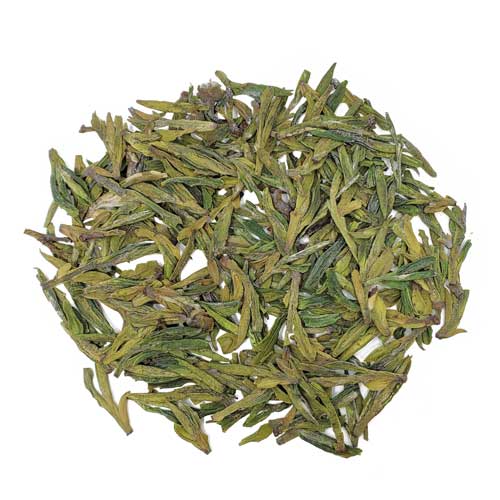
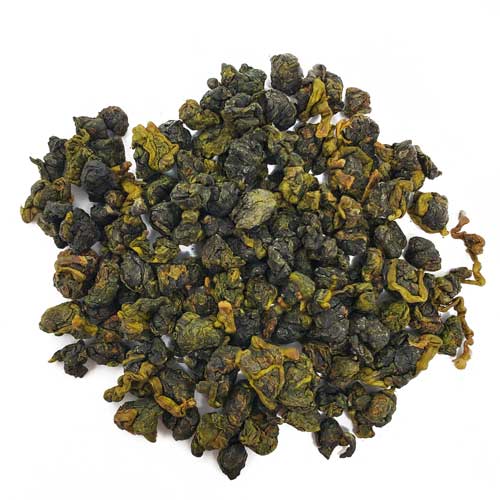


2026 Liubao Traditional Raw Heicha
- Ships from Las Vegas, Nevada, USA
- Free U.S. shipping on orders $95+
- In stock, ready to ship
- Backordered, shipping soon
*For the aged version of this amazing Liubao, check out this one below.
2012 Heirloom Cultivar Raw Liubao Heicha
When most people think of Liubao, they imagine a dark, earthy, fully fermented tea. But that's actually a relatively modern style.
Before fermented Liubao became common, Liubao was traditionally made as raw (生六堡) using a much older processing method. Instead of speeding up fermentation through artificial wet piling, this tea is left to transform naturally over time through slow oxidation, microbial activity, and aging. If you're familiar with puerh, you can think of it as the relationship between raw (sheng) and cooked (shou) puerh—but with a character that's uniquely Liubao.
This tea comes from Liubao Town in Guangxi Province, the birthplace of Liubao tea. The region's warm, humid climate, misty mountains, abundant rainfall, mineral-rich soils, and dense forests create ideal conditions not only for growing tea, but also for the slow natural transformation that makes traditional Liubao so special.
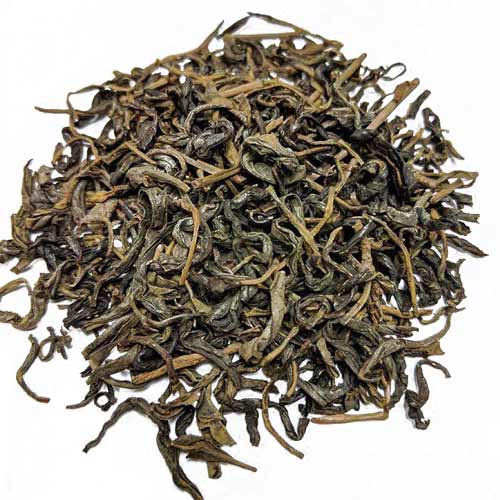
Young raw Liubao is probably not what you'd expect from a heicha. Rather than being heavy and earthy, it's brighter, vibrant, and remarkably clean. The aroma reminds us of dried plum with a soft broth savoriness, while the cup reveals notes of fresh bamboo, grilled corn sweetness, a gentle salinity, and a fruity undercurrent of dried plum. As the tea fades, that plum character becomes more pronounced, leaving behind a lingering, sweet finish that feels refreshing and full of life.
Compared to modern fermented Liubao, this traditional raw version feels brighter, more energetic, and allows the character of the leaf itself to shine through.
Like raw puerh, this tea is also meant to age. Over the years, the bitterness gradually softens, sweetness increases, fruit notes become deeper, woody aromas emerge, and the texture grows smoother and more complex. Rather than creating those aged characteristics during processing, traditional raw Liubao lets time do the work.
For decades, fermented Liubao became the dominant style because it could be enjoyed much sooner. But we're excited to share this traditional raw Liubao—a tea that offers not only a fascinating drinking experience today, but also the opportunity to watch it evolve naturally for years to come.
How to Brew (Gongfu Style):
Use 5g of tea leaves, a 90-100ml gaiwan and 205°F (96°C) water.
1. Give the tea leaves a quick rinse before brewing.
2. For the first infusion, steep for 10 seconds to let the leaves open up.
3. For subsequent infusions, steep for 1-2 seconds per infusion. From the second infusion onward, both the flavor and color will become more pronounced.
4. After the 10th infusion, start steeping for 1-2 seconds longer than the previous infusion.
This tea easily makes 18-20 infusions, making it a great tea to share or for leisurely tea sessions. If you want a stronger brew in later steeps, only fill half the gaiwan with water and extend the steeping time.
Origin: Guangxi Province, China
Notes: Grilled Corn, Fresh Bamboo, Dried Plum
All products shipped from Las Vegas, Nevada, USA.